 EN
EN  DE
DE 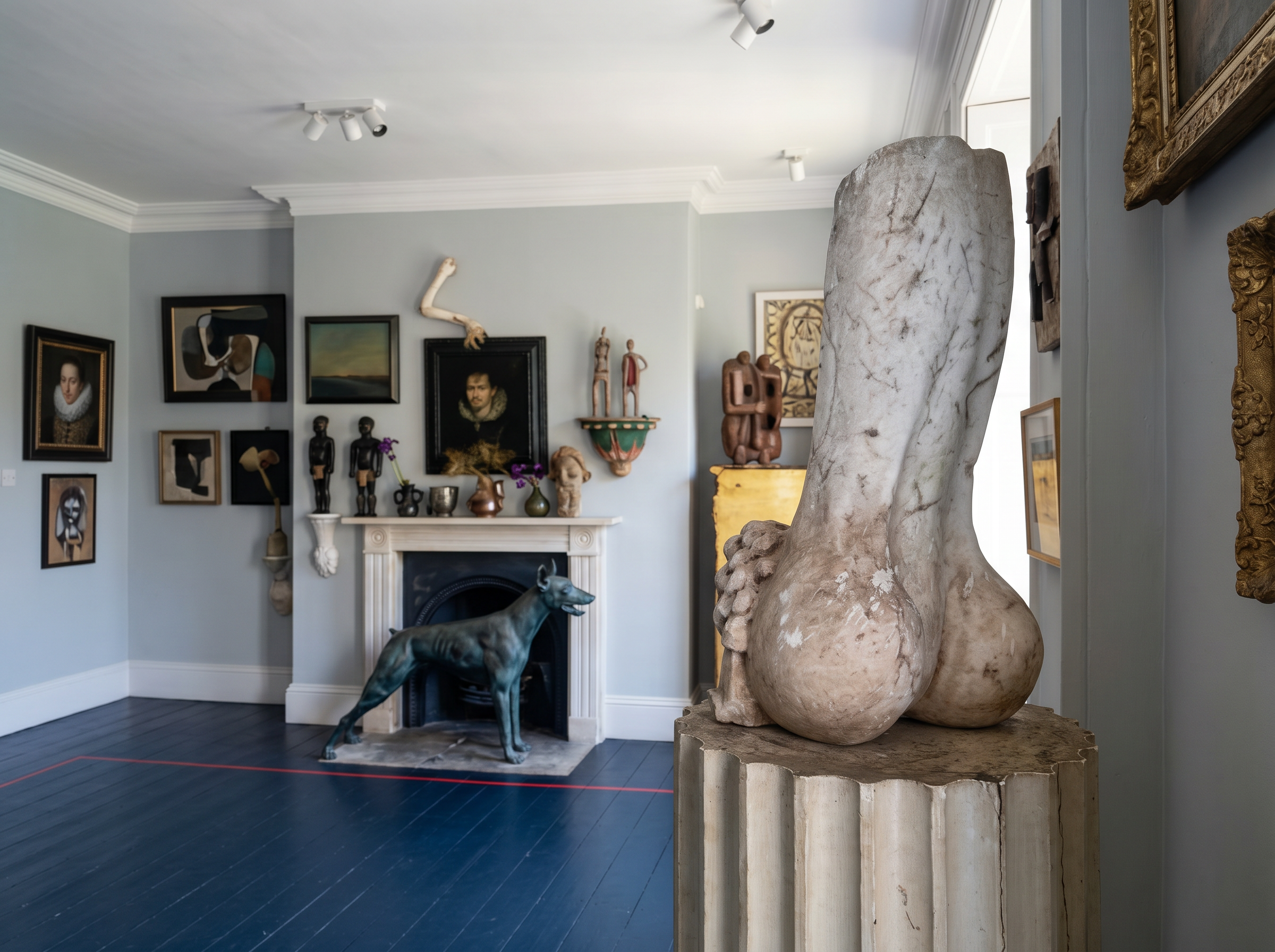
There is a growing understanding in contemporary culture that an interior is no longer defined by furniture, architecture, or materials alone. A space becomes truly complete only when it carries a profound emotional and intellectual layer. That layer is art. Without art, an interior remains merely functional, whereas with art, it becomes genuinely alive.
This is why in today’s world of collectible design, luxury interiors, and curated environments, art is no longer treated as an accessory. It is the core element that defines atmosphere, identity, and emotional resonance. A space without art often feels visually correct but emotionally empty, because it may be beautifully designed, perfectly balanced, and technically refined, yet something essential is missing. That missing element is not decoration, it is meaning.
Read more: IF THERE IS NO ART IN AN INTERIOR, THERE IS NO SOUL IN THE SPACE
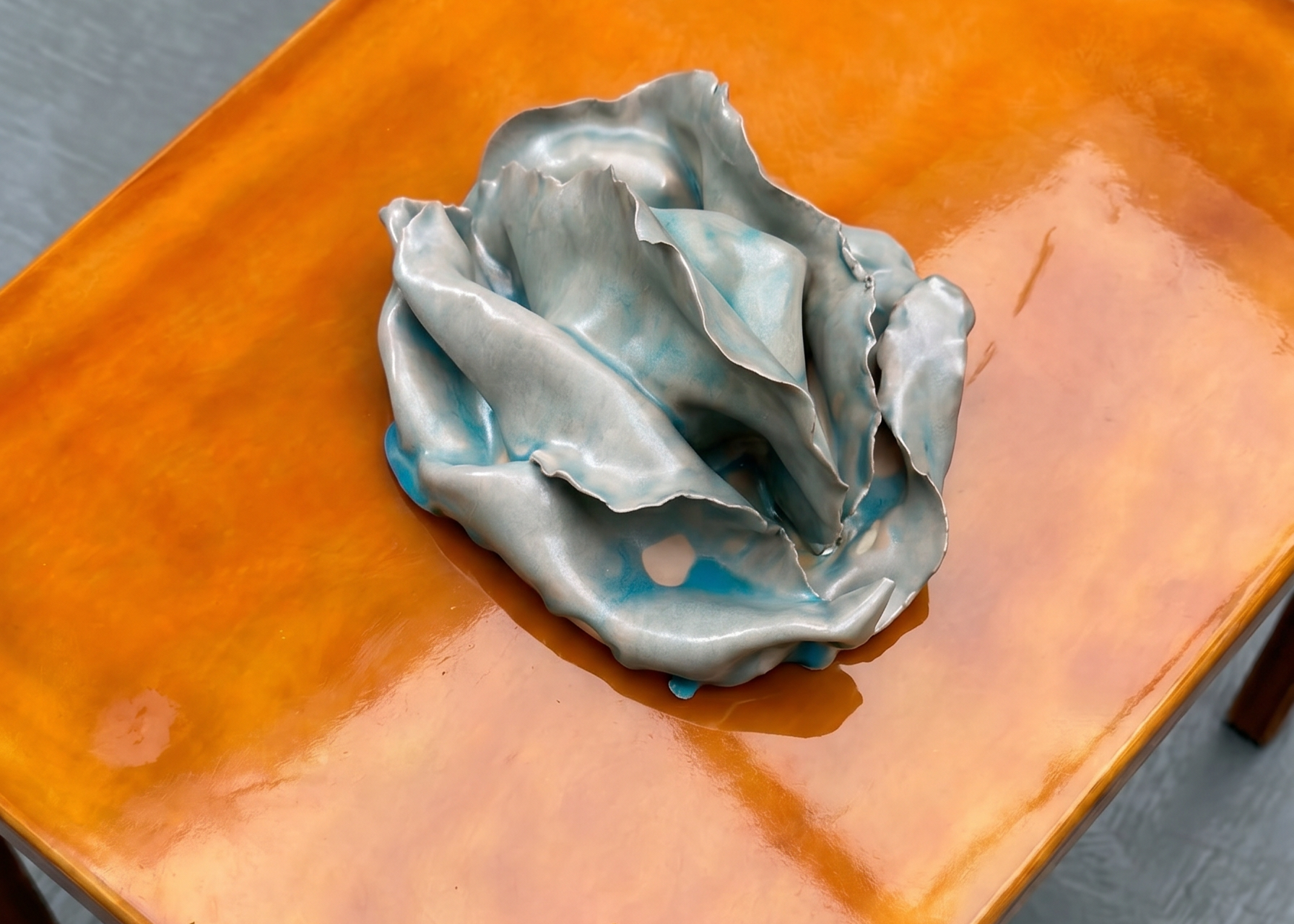
In a world saturated with constant notifications, accelerated visuals, algorithmic feeds, and infinite content production, a quiet counter-movement is emerging across contemporary art and design. It is not loud. It does not compete for attention. It withdraws from noise entirely. This is the rise of slow beauty.
Slow beauty is not simply a passing aesthetic trend, it is an emotional response to digital overstimulation. It reflects a collective need for silence, depth, and sensory clarity in a culture that has become visually and psychologically overloaded. Instead of speed, impact, and material excess, slow beauty values presence, atmosphere, and the luxury of time.
Read more: SLOW BEAUTY: THE NEW AESTHETIC OF STILLNESS, LIGHT, AND EMOTIONAL SPACE
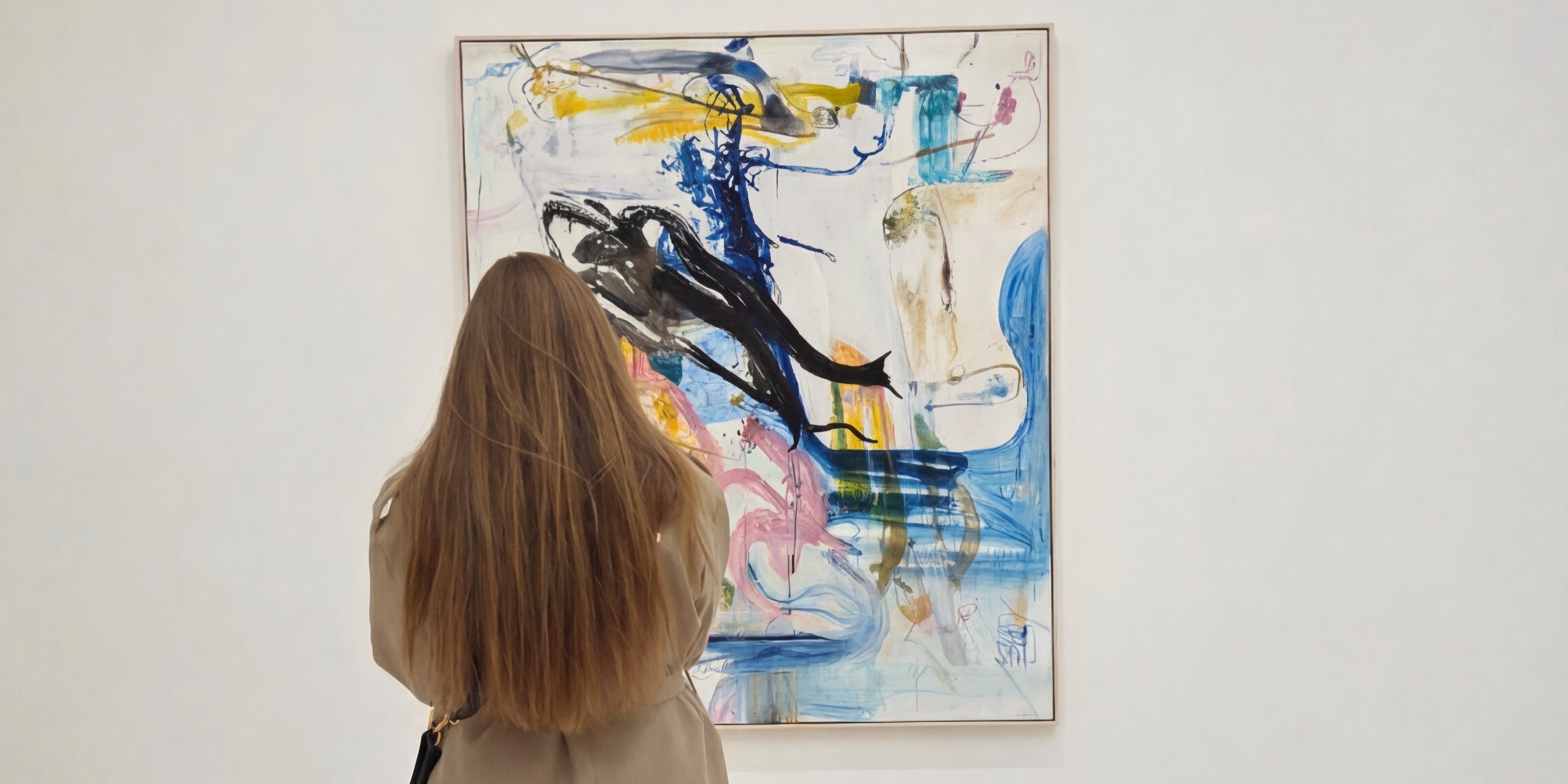
There is a question that has quietly unsettled philosophers, artists, and scientists for centuries: why does a painting move us? Not in the polite, educated sense of appreciating its craft or recognizing its cultural significance, but in the visceral, involuntary sense. It is found in the slight quickening of breath, the sudden stillness, and the feeling that something in the room has changed simply because of what is hanging on the wall.
For most of history, this question belonged strictly to philosophy and aesthetics. Today, it belongs equally to neuroscience. Neuroaesthetics is the scientific study of how the brain responds to art, beauty, and aesthetic experience. It proves convincingly that art is by no means a mere matter of taste, but rather a matter of biology.
Read more: NEUROAESTHETICS: WHY ART IS NOT A MATTER OF TASTE, BUT OF BIOLOGY
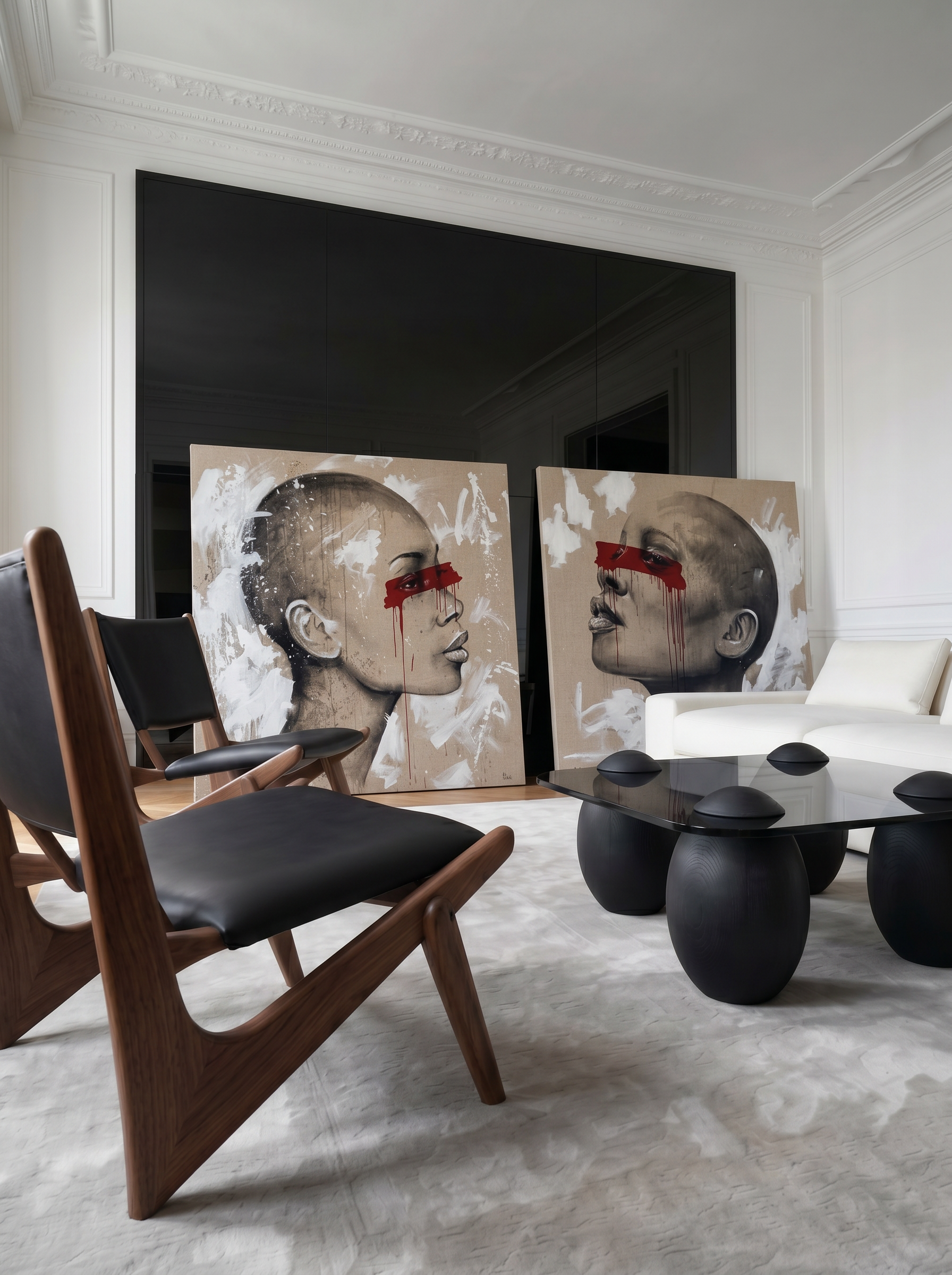
The series Deep Pleasure by Bastian Fiala represents a highly refined investigation into the delicate threshold between visual reality and interpretation within contemporary conceptual art. These works function not as isolated images, but as a cohesive visual and conceptual system in which material, gesture, and emotional presence are inseparably connected. At the core of Fiala’s practice lies a deliberate engagement with raw, unprimed surfaces such as sand, fabric, and plaster.
These tactile materials establish an almost archaeological dimension, where each work carries the distinct imprint of process, time, and physical interaction. Rather than serving as passive supports, the surfaces become active participants in the construction of meaning. This material approach situates the series in a direct dialogue with the legacy of Arte Povera and contemporary post-material practices, where artistic value is no longer defined by decorative resolution, but by authenticity of presence, vulnerability of surface, and conceptual clarity embedded in matter.
Read more: DEEP PLEASURE BY BASTIAN FIALA: A CURATORIAL ANALYSIS
Page 3 of 3