 EN
EN  DE
DE 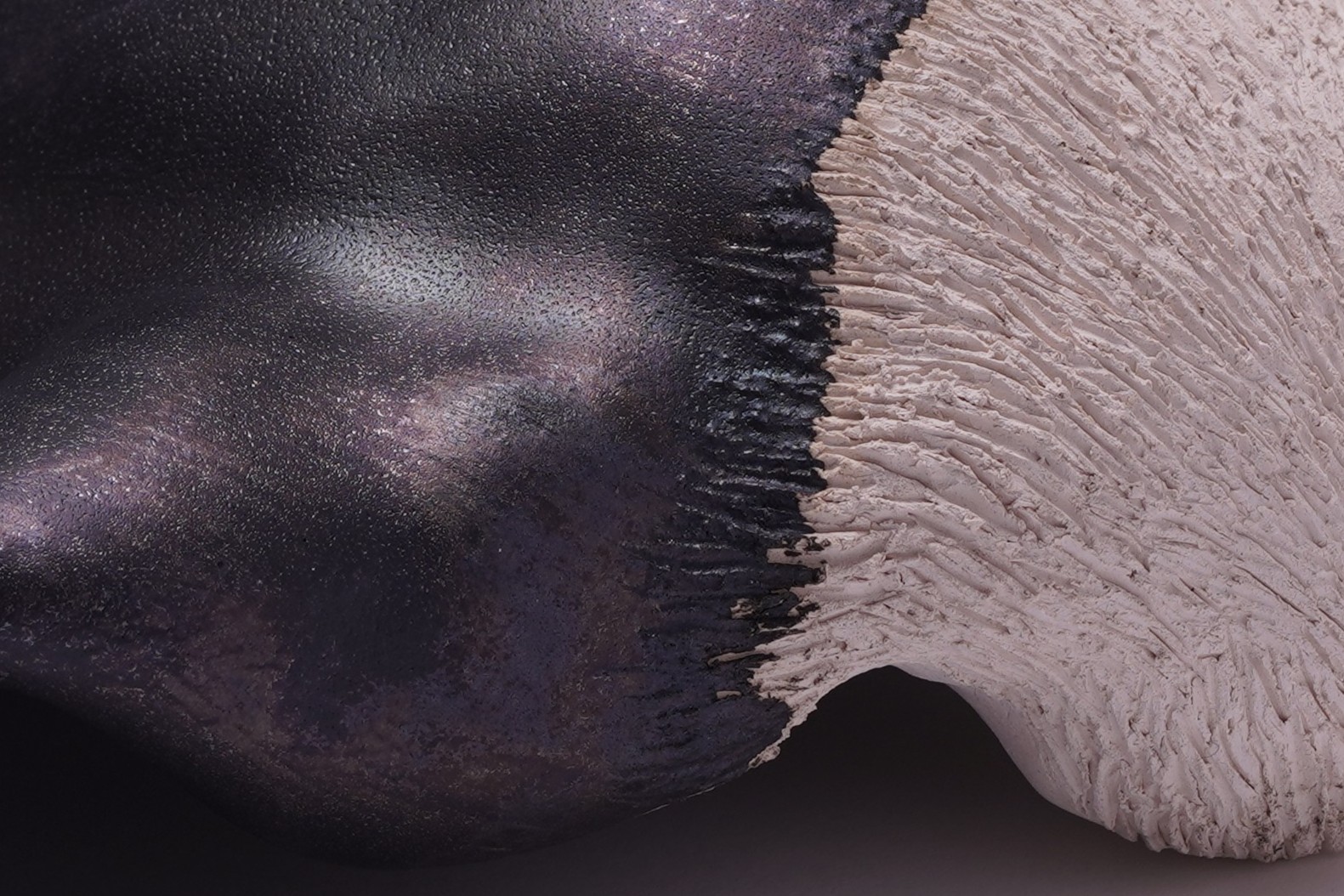
Art therapists have long understood intuitively what neuroscience now confirms: the physical quality of materials matters just as much as their color or form. What we touch changes how we feel, not merely metaphorically but on a measurable neurobiological level. The somatosensory cortex, the region of the brain that processes tactile impressions, connects directly with the limbic system, the emotional center of the brain. Texture is therefore not an aesthetic afterthought but a therapeutic active ingredient.
In the history of art therapy, there was a long-standing tendency to focus primarily on the finished piece, examining its symbolic meaning, projective content, or narrative statement. However, a growing number of therapists and researchers are shifting their attention to the pre-verbal stage, focusing on the quality of the process itself. The resistance of clay beneath the fingers, the scrape of bristles on a rough canvas, and the weight of a palette knife loaded with paint all speak to layers of human experience that lie far beneath language.
The Sensory Basis of Healing: Texture in Therapeutic Contexts
"THE NERVOUS SYSTEM CANNOT BE REGULATED BY COGNITIVE INSIGHT ALONE.
IT REQUIRES PHYSICAL EXPERIENCES THAT SIGNAL SAFETY."
— PETER LEVINE
Working with coarse, highly tactile media such as clay, rough-textured canvas, sand trays, or heavily applied paint helps traumatized patients reconnect with bodily sensations within a controlled and safe setting. Trauma frequently involves dissociation from the body, a coping strategy that can become a chronic barrier to recovery. When psychological distress becomes unbearable, consciousness retreats from the physical self. What begins as a protective mechanism solidifies in many individuals into a permanent state of alienation from their own lived experience.
Materials that redirect sensory attention back to the hands, and consequently to the somatosensory cortex, can gently disrupt this pattern. Heavily textured materials offer an undeniable, present physical experience that pulls consciousness back into the here and now without demanding any verbal processing. Clay is particularly effective in this context, as it responds to pressure, resists, gives way, and retains the memory of touch. These characteristics make it a medium that simultaneously challenges and responds, much like a living relationship. For patients whose ability to form attachments was disrupted by early trauma, working with clay can provide a form of restitution without a single word being spoken.
Calming through smoothness: Texture as a tool for regulation
Conversely, smooth, predictable surfaces and media are utilized for patients in acute distress or in states of high arousal, precisely because they reduce sensory load and invite the kind of slow, repetitive movement that activates the parasympathetic nervous system. The repetitive smoothing of clay or the long strokes of a soft brush across a prepared ground are tactile forms of what Mindfulness-Based Cognitive Therapy (MBCT) calls grounding, which is the return to the present moment through the body.
This principle can be explained neurobiologically. The vagus nerve, which acts as the central mediator of the parasympathetic nervous system, is positively modulated by rhythmic, predictable sensory inputs. Smooth movements over smooth surfaces generate exactly these inputs, signaling to the nervous system that it is safe, predictable, and free from threat. These signals are not beliefs that must be intellectually processed, as they are direct sensory messages received by the brain on a subcortical level.
In practice, this means that therapists can intentionally adapt their choice of materials to the patient's current state of arousal. A patient arriving in a state of hyperarousal, marked by overwhelming internal tension, might benefit initially from smooth watercolor paper, silk fabric, or pre-mixed, fluid paint. The objective here is not stimulation but inviting the nervous system to regulate itself. Only when a sense of calm is established can more challenging, structured materials be introduced.
Procedural memory: Texture in dementia care
In dementia care, texture has emerged as a vital tool. Where verbal communication and explicit memory decline, tactile and procedural memory often persist much longer. This has a neuroanatomical basis, since the explicit, declarative memory that grants us access to names, faces, and facts relies heavily on the hippocampus, one of the first areas affected by Alzheimer's disease. Procedural memory, on the other hand, which includes the knowledge of how to do something, like holding a brush or kneading clay, is anchored in different, less vulnerable neural circuits.
Patients with advanced dementia who can no longer name objects often still respond with recognition and joy to the feel of specific surfaces. A piece of corduroy fabric that recalls a beloved coat, the grainy roughness of sandstone connecting to childhood memories in nature, or the distinct weight and smoothness of real silverware all serve as anchors. These sensory anchors can create islands of recognition in a sea of disorientation.
Art programs in memory care facilities that prioritize tactile richness over visual complexity report a measurable improvement in affect and social engagement. Where a complex image might trigger confusion, a simple tactile experience creates a state of concentration and presence. The goal is never the finished artwork but the moment of making itself, which is a moment where the individual is an active agent rather than a patient.
Therapeutic texture beyond the clinic
The insights gained from art therapy and dementia care raise a broader question regarding the extent to which we generally underestimate the tactile dimension of our environment as a factor in psychological well-being. In an increasingly digital world, where more and more experiences are reduced to glass screens and smooth plastic surfaces, a fundamental human need for a textured, material world may be starving.
THE QUESTION IS NOT ONLY "WHAT DO I SEE?"
BUT "WHAT TOUCHES ME WITHIN?"
Architects and interior designers are beginning to address these questions more seriously. The therapeutic design of hospitals, care homes, and psychiatric facilities increasingly incorporates haptics into its planning. Using warm, tactile materials in communal spaces, smooth, cool surfaces in quiet retreat areas, and structured pathways that can be navigated by touch transforms texture from an art studio medium into a core principle of spatial design.
The message of art therapy is universal in this sense, reminding us that we are physical beings and our health cannot be separated from physical experience. What we touch shapes us, even when we do not consciously notice it. The intentional design of tactile experiences in therapy, in care, and in everyday architecture is not a luxury but a form of care directed at the whole person.