 EN
EN  DE
DE 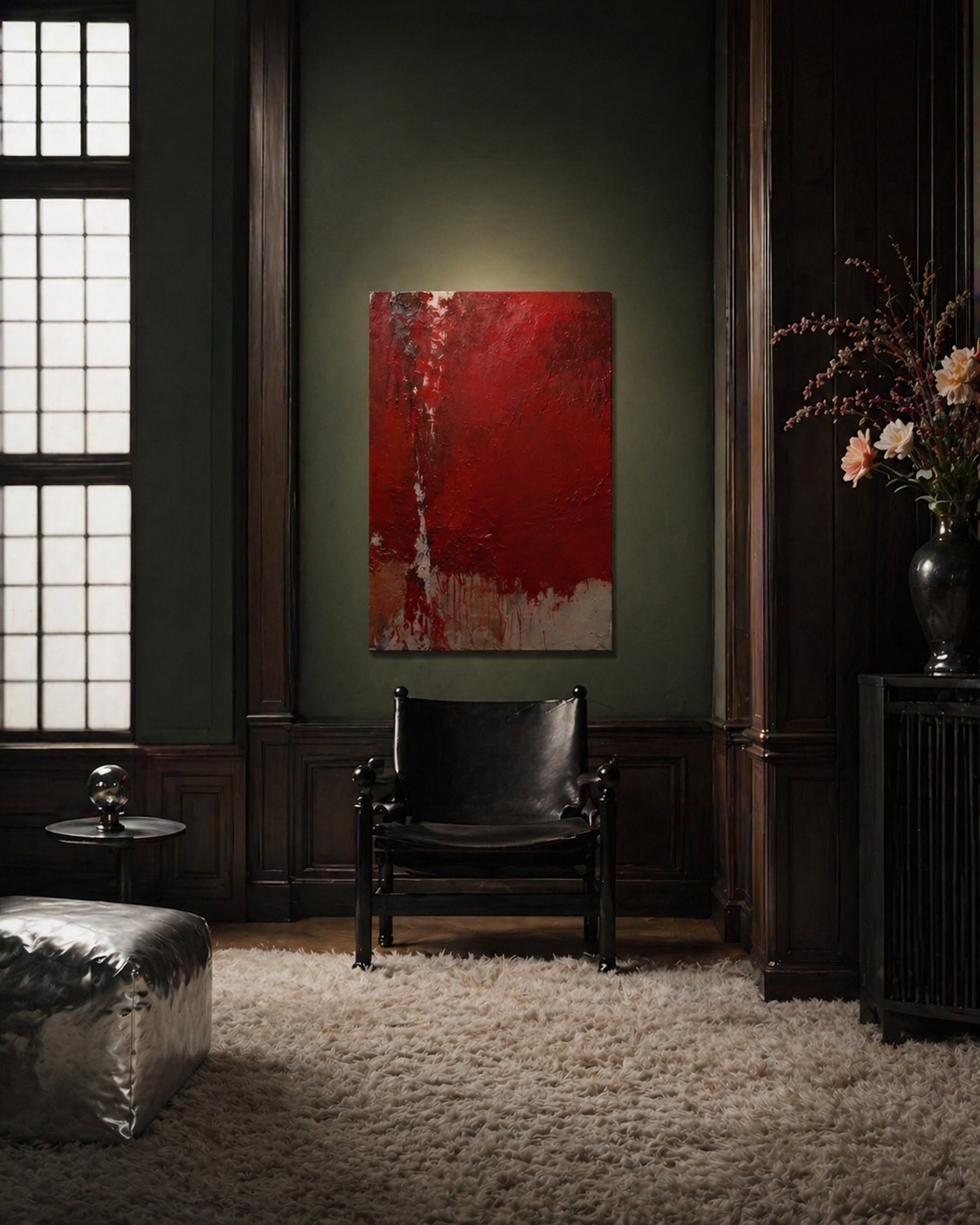
The line between art and design has dissolved into a single continuum. What we sit on, what lights our rooms, what defines our walls, these are no longer merely functional choices. They are positions in a cultural conversation.
Furniture behaves like sculpture. Lighting resembles jewellery. Interiors are conceived as curated installations rather than functional arrangements. This is the culmination of a philosophical argument that has been building for over a century, arriving now at a moment when boundaries have become essentially meaningless.
The Rise of Collectible Environments: A Cultural Shift
"A WORK ONLY NEEDS TO BE INTERESTING."
— DONALD JUDD
The collector who once maintained separate budgets for fine art and furnishings now thinks in a single register. A chair by Mattia Bonetti or a lighting piece by Lindsey Adelman are acquired with the same eye and discussed with the same vocabulary as a painting. The market reflects this; auction houses now hold dedicated sales of collectible design alongside contemporary art.
What makes an object a work of art?
Judd’s statement carries enormous weight. It requires only that an object repay sustained attention and generate meaning in the encounter between object and viewer. This philosophy defines collectible design today. Objects are valued for their conceptual presence as much as for their use.
A table that functions as a surface but also as a meditation on the relationship between mass and void is not a table with artistic aspirations. It is an object that operates primarily as a vehicle for ideas. The function is incidental; the thinking is the point.
How collecting has changed
The market for collectible design has matured into a significant segment of the global art market. Value is driven by edition size, provenance, and material research. A work made from recycled industrial material carries a different weight than one made from precious stone.
Intellectual coherence matters most. A designer whose practice can be situated within a clear conceptual lineage commands sustained attention. This is why the advisory relationship has become central; these objects require contextualisation to move beyond being merely beautiful objects.
Composing environments
Art advisory now involves composing entire environments where design and art exist in dialogue. Each element is chosen for its contribution to a larger conceptual argument. Curatorial interior composition begins with meaning and arrives at an environment in which function is embedded in thought.
The question is not only "how does it function?"
but "how does it speak?"
The value of such spaces lies in coherence. A work on paper by a sculptor informing the choice of a particular table is not decorative harmony, it is argument made spatial. It is an environment that rewards sustained habitation, revealing more over time, as it cannot be fully consumed in a single encounter.